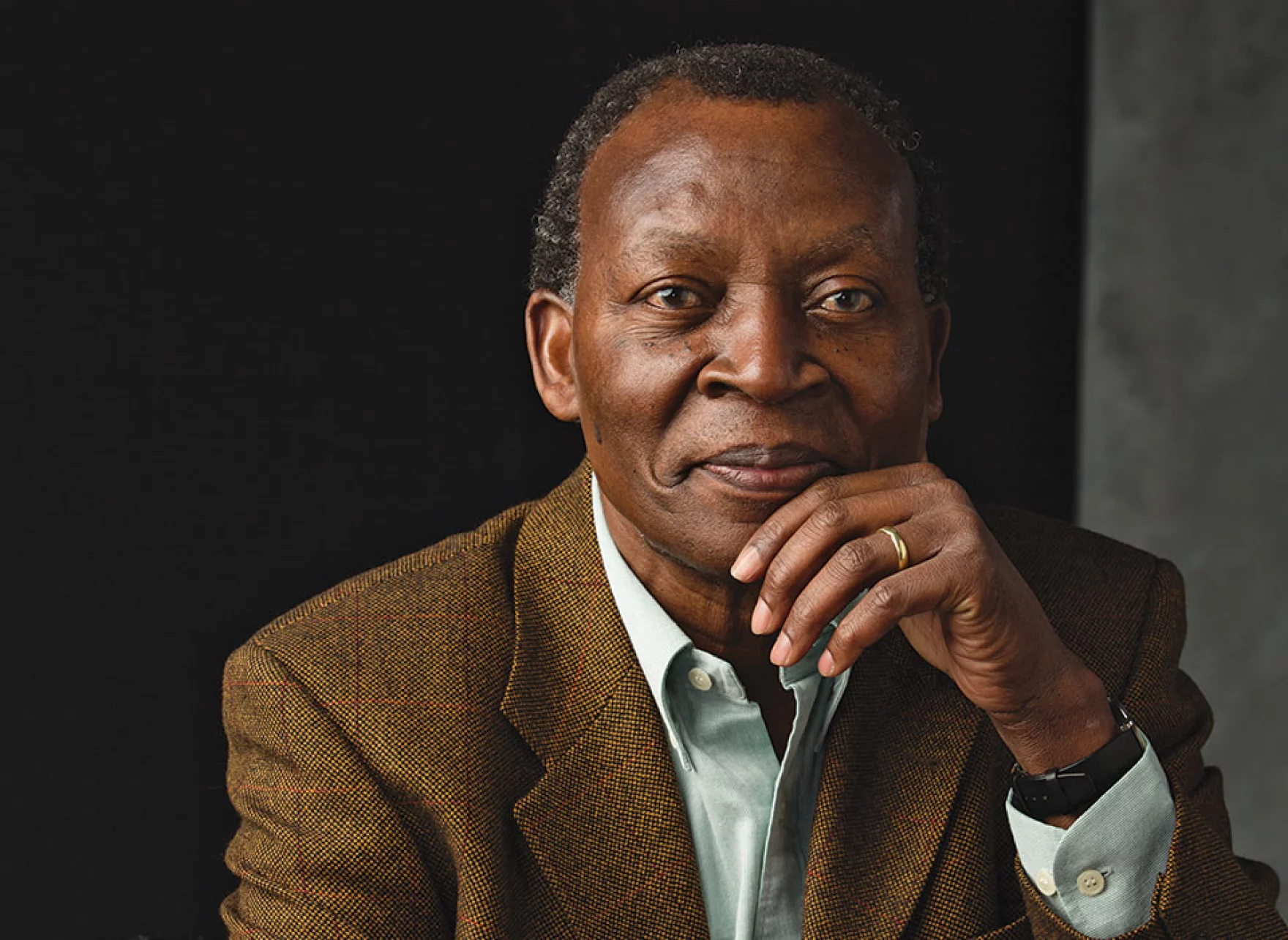
In this edition of Author Spotlight, we will examine the life and works of Ghanaian-American novelist, Yaa Gyasi. Turning our spotlight toward Yaa Gyasi brings us into conversation with one of contemporary literature’s most recognized voices – a storyteller who bridges centuries of historical trauma and modern psychological realities.
Birth and Early Years
Born in 1989 in Ghana, Gyasi emigrated to the United States with her family when she was just two years old, following her father’s academic path. Growing up across various states – from Illinois and Tennessee to eventually settling in Huntsville, Alabama – she experienced the quiet isolation of being one of the few Black children in her neighborhoods and schools. This early sense of displacement and introspection drove her inward, where she found solace in reading and influenced an early impulse toward storytelling.
Education
Gyasi’s academic path was rooted in the literary arts. She earned her Bachelor of Arts in English from Stanford University, honing her critical perspective and technical skill. Seeking to deepen her craft, she moved to Iowa City to attend the renowned Iowa Writers’ Workshop, where she received her Master of Fine Arts in creative writing, emerging with a fully realized artistic vision.
Influences
Gyasi’s writing was influenced by a search for identity and historical lineage, galvanized by a pivotal college trip back to Ghana – her first visit since infancy – where she toured the Cape Coast Castle. Standing in the dungeons where enslaved people were held before being shipped across the Atlantic provided the emotional anchor for her debut. She was further shaped by literary giants like Toni Morrison, James Baldwin, and Gabriel García Márquez, drawing inspiration from their capacity to weave generational burdens, racial identity, and elements of magical realism into grounded, lyrical prose.
Literary Legacy
To read Yaa Gyasi is to experience storytelling driven by deep empathy, historical imagination, and psychological precision. Where traditional historical narratives often broad-stroke massive systemic shifts, Gyasi zooms in on the intimate, human costs of history, charting how macro-level atrocities ripple across generations within families. She demonstrates that the grand arcs of history – from the transatlantic slave trade to the modern opioid epidemic – are ultimately felt in the quiet, heartbreaking choices of individual lives.

Yaa Gyasi’s literary legacy was cemented by her very successful debut novel, Homegoing (2016). The book traces the divergent paths of two half-sisters born in 18th-century Ghana – one sold into a comfortable British life, the other imprisoned in a slave dungeon – and follows their descendants across eight generations down to modern-day America, creating an unforgettable story of survival and identity.
Her second novel, Transcendent Kingdom (2020), shifted to an intimate contemporary landscape, following Gifty, a Stanford neuroscience PhD candidate studying reward-seeking behavior in mice. As Gifty navigates her brother’s fatal opioid overdose and her mother’s debilitating depression, Gyasi brilliantly explores the intersection of faith, science, and the immigrant experience in the American South.
Honours
Gyasi’s art has been widely recognized. She received the prestigious PEN/Hemingway Award for Best Debut Fiction and the American Book Award in 2017 for Homegoing, alongside being named a National Book Foundation “5 Under 35” honoree in 2016. In 2020, her visionary contributions were further recognized when she was awarded a Vilcek Prize for Creative Promise in Literature. Her works earned global acclaim, establishing her as one of the most vital contemporary novelists of her generation.
Yaa Gyasi remains a celebrated figure in modern literature. Her essays and short stories have appeared in prominent spaces like The New York Times and The Guardian, continuing to explore the complexities of human life. Through her artistic vision and profound empathy, she ensures that the invisible threads connecting our past and present will forever hold a central place in our collective memory.
That brings us to the end of this week’s Spotlight on Yaa Gyasi. Be sure to join us for our next edition, where we will look into the life and works of another literary giant whose words impacted the course of history.