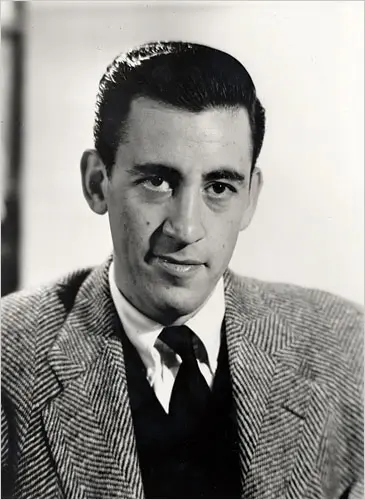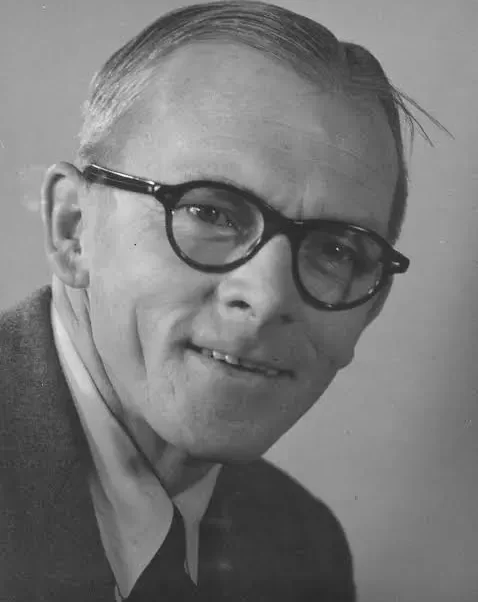
In this edition of Author Spotlight, we will examine the life and works of renowned South African writer Alan Paton, whose voice rang out like a solemn bell across a fractured land. Writing with a profound, lyrical sorrow, Paton did something monumental: he exposed the structural heartbreak of South Africa to the global consciousness right at the dawn of official apartheid, pleading for reconciliation before the country was entirely consumed by fear.
Birth and Early Years
Born on January 11, 1903, in Pietermaritzburg, in the KwaZulu-Natal province of South Africa, Alan grew up in a household ruled by a strict, authoritarian Christadelphian father. The harsh discipline he experienced at home gave him an early, visceral hatred of tyranny, while the breathtaking, mist-shrouded hills of Natal sparked a lifelong, almost spiritual devotion to the South African landscape. He grew up acutely aware of the deep divides between the English, Afrikaner, and Zulu populations sharing the soil.
Education
Alan’s educational background was rooted in science and mathematics, which he studied at the University of Natal. However, his true education in human nature occurred when he became the principal of the Diepkloof Reformatory for young Black offenders near Johannesburg in 1935. Over the course of a decade, Paton enacted revolutionary, compassionate reforms – removing the razor wire, replacing guards with house-fathers, and introducing a system of freedom and trust. This experience broke his heart wide open, exposing him directly to the devastating societal conditions that drove young Black men into crime.
Influences
His writing was significantly influenced by his observations at Diepkloof and a subsequent tour of international prisons in the mid-1940s. While sitting alone in a hotel room in Trondheim, Norway, overwhelmed by homesickness and a deep dread of the racial tensions brewing back home, he began to write. He was profoundly influenced by the simple dignity of the rural people he had met and was driven by a terrifying realization: that if the white minority did not turn away from fear and oppression, the country would eventually erupt in an uncontrollable fire.
Literary Legacy
To open a book by Alan Paton is to hear a narrative that flows like a tragic, beautiful hymn. He was a white South African who looked past the privileges of his skin color to gaze directly into the wounded soul of his nation. Combining a deeply religious humanitarianism with a stark, rhythmic prose style, he created stories that were both urgent political warnings and timeless moral parables. He believed that the only force capable of conquering structural oppression was a radical, fearless love.
Alan Paton’s literary legacy is forever anchored by his 1948 masterpiece, “Cry, the Beloved Country”. Published just months before the National Party came to power and codified apartheid, the novel tells the agonizing story of Stephen Kumalo, a rural Zulu parson searching for his son in the labyrinth of Johannesburg. The book became an instant international sensation, selling millions of copies and turning the eyes of the world toward South Africa’s moral crisis.
His subsequent major novel, Too Late the Phalarope (1953), courageously tackled the devastating psychological effects of the Immorality Act, which banned interracial relationships. His other works include Ah, but Your Land Is Beautiful (1981); The Land and People of South Africa (1955); South Africa in Transition, 1956); South African Tragedy 1965); The Long View (1967); Instrument of Thy Peace (1968); and his collected short stories, Tales From a Troubled Land (1961). Beyond his fiction, Paton was a fierce political activist, founding the Liberal Party of South Africa in 1953 to fight against apartheid on a non-racial platform. His legacy is that of a prophetic moral compass who used his pen to demand that humanity look at its victims with absolute clarity and compassion.
Honours
While the world celebrated Paton as a literary giant and a champion of human rights, the South African government viewed him as an incredibly dangerous dissident. In 1960, upon returning from an international trip, his passport was confiscated – a restriction that lasted for a decade. The Liberal Party he led was eventually banned by the regime. Despite the constant surveillance and harassment, Paton refused to leave his homeland, choosing instead to remain a persistent thorn in the side of the establishment, using his global stature to protect his voice.
Alan Paton lived long enough to see his beloved country undergo immense upheaval, though he passed away on April 12, 1988, just a few years before the official fall of apartheid and the democratic dawn he had spent his life praying for. He died in Natal, the province of his birth, leaving behind a body of work that serves as a permanent monument to the power of empathy. He remains the definitive voice of a nation’s sorrow, a writer who looked at a broken landscape and dared to dream of a day when its people would no longer be bound by fear. On 11 January 2018, a Google Doodle honored the author on what would have been his 115th birthday.
That brings us to the end of this week’s Spotlight on the voice of the sorrowful land, Alan Paton. Be sure to join us for our next edition, where we will look into the life and works of another literary giant whose words impacted the course of history.